CHAPTER 09
Prayer for a Ruined City
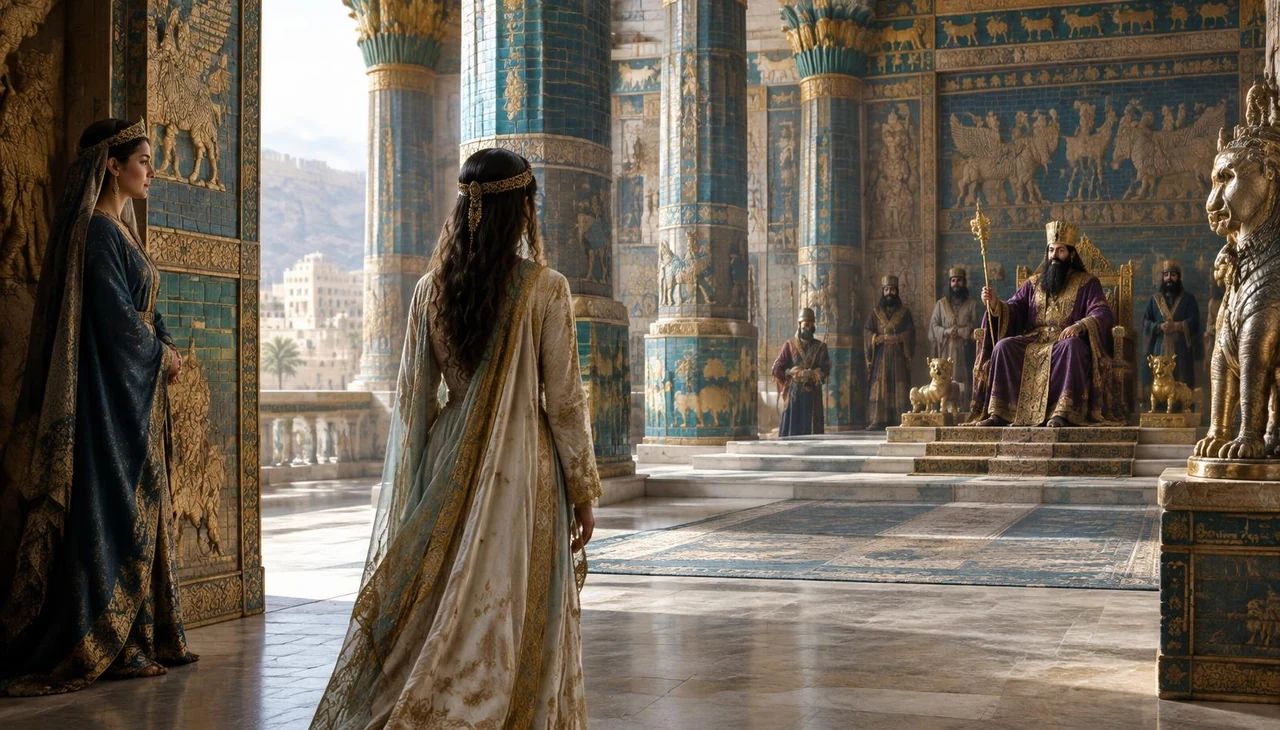
Artistic reconstruction · not an authenticated photograph or exact archaeological model.
Guest progress is saved for this browser session only. Sign in for private account saving.
The biblical account
Prepared narrative summary · not a Scripture quotation
Reading Jeremiah’s words concerning Jerusalem’s desolation, Daniel turns toward prayer rather than a confident timetable. With fasting and mourning, he confesses shared wrongdoing and appeals to God’s mercy. He does not argue that the community deserves restoration. His attention rests on the ruined city, its sanctuary, and the people who bear God’s name. Gabriel comes while he is praying and speaks of seventy sevens, rebuilding, an anointed figure, conflict, and desolation. The response broadens the horizon beyond a simple return to normal life. This is prayer that accepts moral responsibility while asking for renewal, and a revelation whose difficult sequence has generated many interpretations rather than one uncontested calendar.
Historical context
Jerusalem is the prayer’s focus, not a stated location for Daniel’s body. The identity of Darius the Mede remains unresolved. Interpretations of the seventy sevens differ substantially; they should not be presented as a settled modern date calculation. The image is a reused contextual artistic reconstruction, not an event-specific illustration; it does not depict Daniel praying or Jerusalem’s ruins.
Pause & Reflect
How might confession become more honest if it asked for mercy without defending the group’s reputation?