CHAPTER 04
The First Missionary Journey
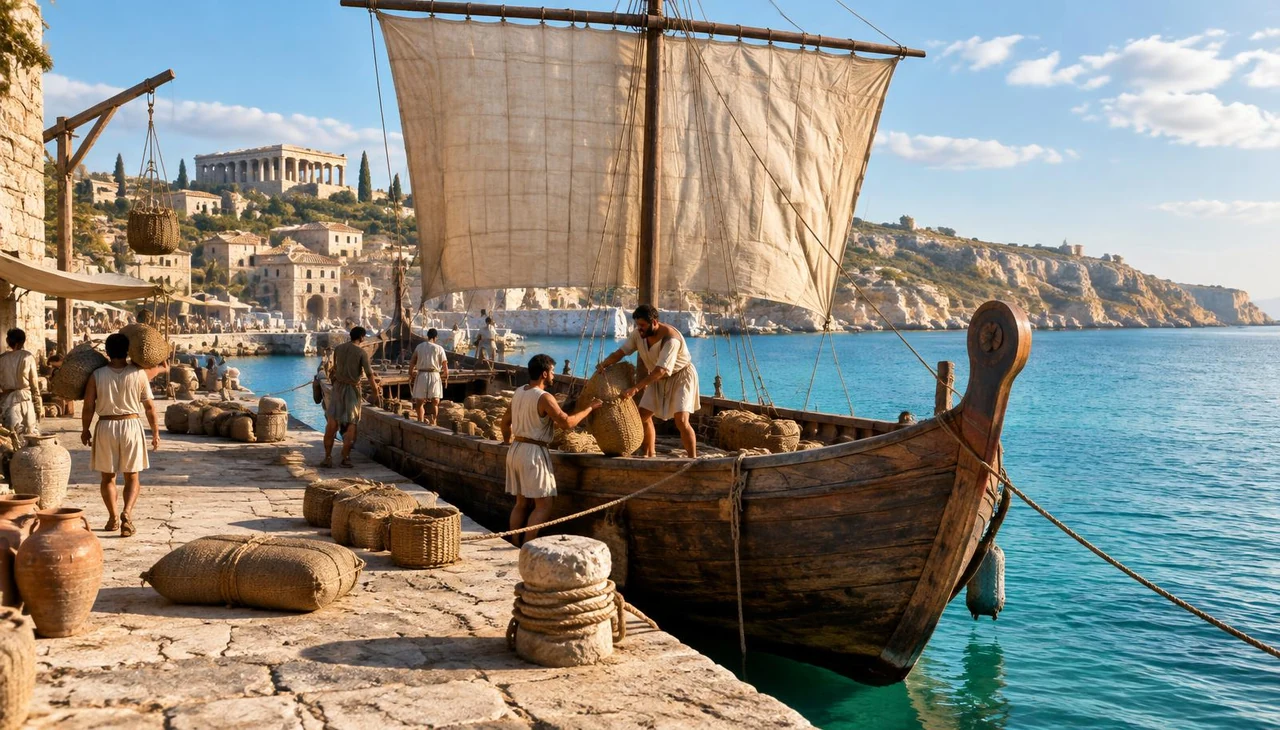
Artistic reconstruction · not an authenticated photograph or exact archaeological model.
Guest progress is saved for this browser session only. Sign in for private account saving.
The biblical account
Prepared narrative summary · not a Scripture quotation
Antioch’s church worships, fasts, and sends Barnabas and Saul. They cross to Cyprus, proclaiming the message at Salamis and traveling to Paphos. Acts describes Elymas’s opposition and the response of the proconsul Sergius Paulus. Beyond the island, ministry moves inland through southern Asia Minor. In Pisidian Antioch, preaching attracts both interest and resistance. In Lystra, a healing leads people to mistake the missionaries for gods; later opposition turns violent, and Paul is stoned. Their return does not simply avoid difficult places. They revisit communities, strengthen disciples, and appoint elders. Back in Antioch they gather the church and report their work. Dramatic travel gives way to something quieter: communities learning endurance together.
Historical context
The numbered journey is a conventional label for Acts 13–14. Cities are identifiable, while exact daily routes and dates remain uncertain. Acts 13:9 introduces Saul as also called Paul, not a conversion name change. Archaeology supplies context rather than proof of every narrated encounter. Artwork review: Generic Mediterranean harbor; not a verified Cyprus port or Lystra scene. Markers indicate educational themes anchored to illustrated details, not verified event coordinates.
Pause & Reflect
Do you value patient strengthening as much as dramatic beginnings?